
Why Professional Jewelry Inspections Matter: Preventing Damage Before It Happens
When we think of jewelry, we think of the memories they hold, such as an engagement, an anniversary, or a family heirloom passed down through generations. However, because we wear our favorite pieces so often, they often endure constant "micro-wear" from lotions, soaps, or accidental bumps. As a result, a professional jewelry inspection can be the most important appointment on your calendar for protecting your most precious investments.
The "Hidden" Dangers of Daily Wear
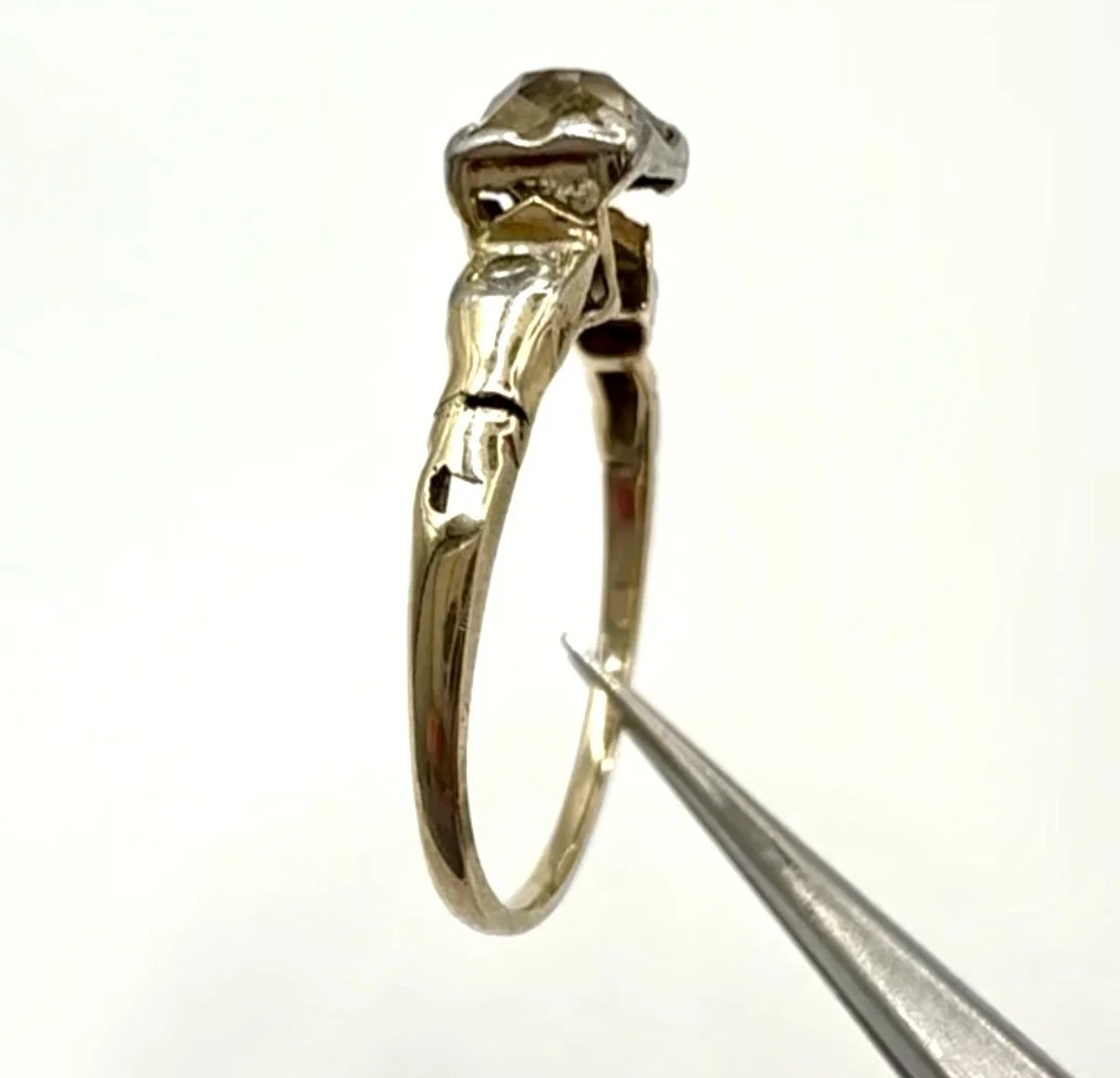
A professional inspection is like an oil change for your jewelry. To the naked eye, your ring might look fine, but under a jeweler’s microscope, a different story often emerges.
Thinning Prongs: Over years of wear, the tiny metal claws that hold your center stone, known as prongs, can wear down or flatten. If a prong snags on a sweater or hits a countertop, it can snap and lead to a lost gemstone that will need to be replaced.
Stretched Chains and Links: Over time, the weight of a pendant or the constant movement of a bracelet can stretch out links or weaken a clasp. An inspection can catch these "thin spots" before the chain snaps and the piece is lost forever.
Loose Stones: Stones don't always fall out instantly. They often start by rattling slightly in their settings. A jeweler can tighten these areas in minutes, preventing a total loss later on.
The Financial & Emotional Logic
A standard jewelry inspection is often free or very low-cost if repairs aren't needed. Compare that to the cost of:
Replacing a 1-carat diamond: $5,000–$8,000+
Replacing a thin 14k chain: $400-600+
Replacing a lost heirloom: Priceless and impossible.
Furthermore, many jewelry insurance policies require a professional inspection every 12 to 24 months to remain valid. If you lose a stone and haven't had a documented inspection, your claim could be denied.
Beyond Safety: Restoring the Sparkle
An inspection isn't just about structural integrity; it’s about beauty. Professional jewelers use ultrasonic cleaners and high-pressure steam to remove the buildup of skin oils and grime that household cleaners can't reach. They can also perform the following "refurbishing" services during the inspection:
Rhodium Plating: Restoring that bright, "mirror-like" finish to white gold.
Polishing: Removing the fine scratches and "patina" that dull the metal over time.
Maximizing the Lifespan: Daily Care for a Lifetime of Wear
While professional inspections often catch larger issues, how you handle your jewelry at home determines how often those repairs are needed. Consistency is key in keeping metal strong and stones secure. Here are just a few suggestions for how you can protect your jewelry on a day to day basis:
The "Last On, First Off" Rule: This is the golden rule of jewelry care. Put your jewelry on after you’ve applied hairspray, perfume, and lotion. The chemicals in these products can dull gemstones and cause "pitting" in gold over time. At night, make your jewelry the first thing you remove to avoid snagging prongs on bedsheets or clothing.
Know When to Take it Off: Hard impacts are the enemy of fine jewelry. Always remove your rings and bracelets before hitting the gym, gardening or doing heavy housework. Even a "soft" impact against a weight bar or a granite countertop can fracture a diamond or bend a platinum band.
Avoid "Chemical Cocktails": Never wear your jewelry in swimming pools or hot tubs. Chlorine is surprisingly aggressive and can actually leach the alloys out of white and yellow gold, making the metal brittle and prone to snapping.
Proper Storage Matters: Don't toss your jewelry into a communal bowl at the end of the day. Diamonds are hard enough to scratch other diamonds, and they will easily gouge gold, silver, and softer stones like pearls or opals. Store pieces in individual soft pouches or a lined jewelry box with separate compartments to prevent "metal-on-metal" friction.
By adopting these simple habits, you reduce the physical stress on your pieces, ensuring they stay in "showroom condition" between your professional check-ups.
The Safety Net: Appraisal and Insurance
While an inspection prevents physical damage, an official appraisal helps to protect your financial investment. Many owners often mistake a store receipt for an appraisal, but in the eyes of an insurer, they are very different documents.
Documenting Value in a Shifting Market: The price of gold, platinum, and gemstones fluctuates constantly. An appraisal from five years ago likely significantly undervalues your jewelry today. A professional appraiser provides a detailed report, ensuring you aren't underinsured if the unthinkable happens.
The Key to Comprehensive Insurance: Most standard homeowners' or renters' insurance policies have a very low limit for jewelry. To fully protect high-value pieces, you’ll need a "scheduled rider" or a specialized jewelry policy.
Proof of Condition: Regular appraisals and inspections go hand-in-hand. By keeping a paper trail of your jewelry’s excellent condition and updated value, you can make the claims process much smoother should you ever need to use your insurance policy.
Think of an appraisal as your financial blueprint; it ensures that if a piece can’t be repaired, it can at least be replaced without a massive out-of-pocket hit.
Conclusion: Make it a Habit
Most experts recommend a professional jewelry inspection every six months. It often takes less than 15 minutes and can save you a lifetime of heartbreak.
Don't wait until you notice a stone is missing or a clasp feels loose. Take your favorite pieces to a trusted local jeweler today to ensure they stay as secure and stunning as the day you first put them on.

Hey there, I’m Nina!
I’m a Seattle-based jeweler specializing in custom designs, heirloom restorations, and thoughtful repairs, all done by hand, start to finish, right here in my studio. Every piece I work on carries a story, and I take pride in preserving that story through craftsmanship, care, and attention to detail.
Whether you’re dreaming up a one-of-a-kind creation, bringing new life to a family treasure, or simply fixing a favorite everyday piece, my goal is to make the experience personal, collaborative, and meaningful.
If you have an idea, or even just a feeling, about what you want, let’s bring it to life together.
