
October's Birthstones: Opal and Tourmaline
If you were born in October, you get two birthstones to choose from: opal and tourmaline. Both are known for color. Opal flashes with every color of the rainbow at once, and tourmaline comes in almost every color you can imagine.
The two stones are very different to wear and care for, though. Here's what makes each one special and how to keep it looking its best.
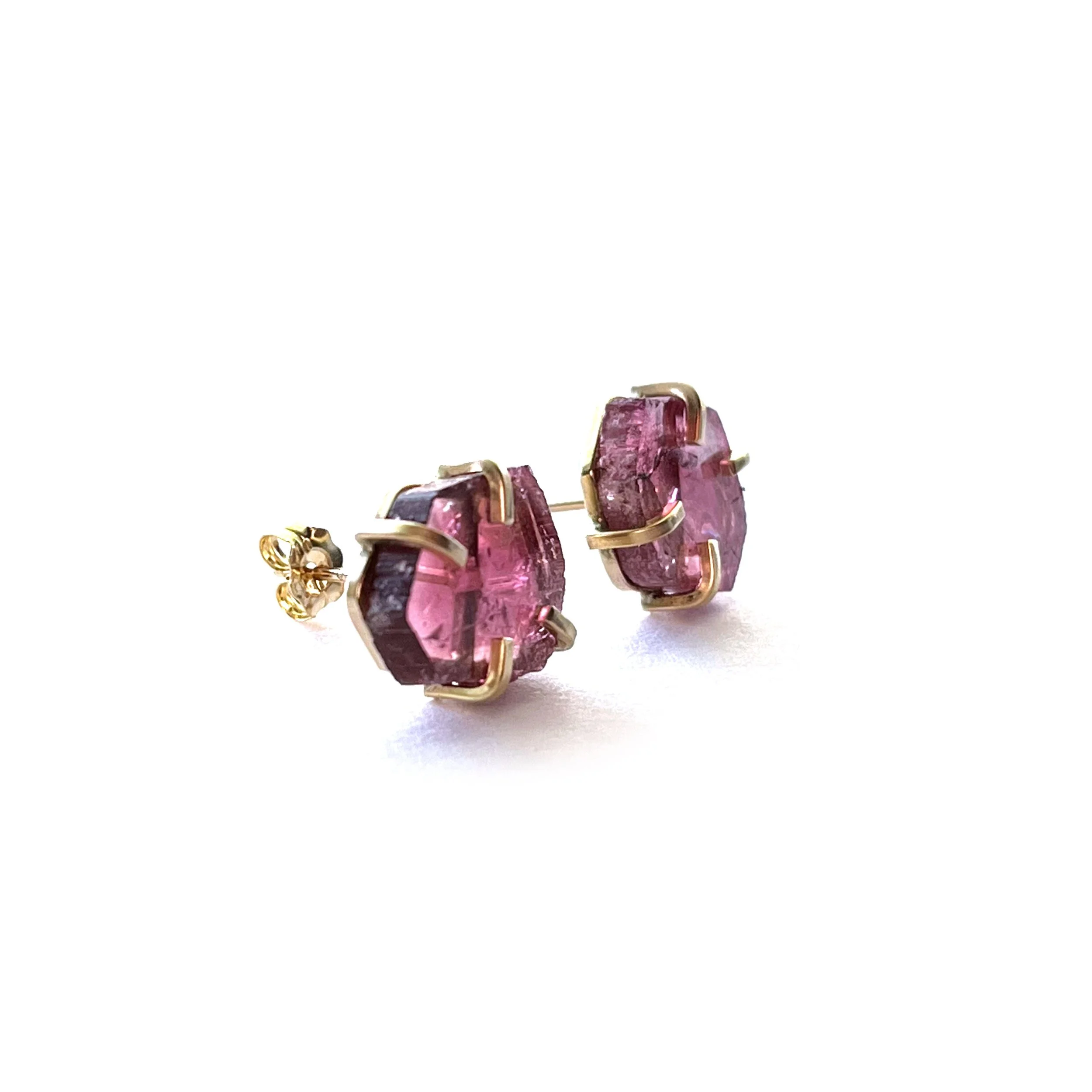
Opal: a rainbow in a stone
Opal is famous for its "play-of-color," flashes of color that shift and dance as the stone moves. No two opals look exactly alike, which makes every piece one of a kind.
Most of the world's opal comes from Australia. Ethiopia, Mexico and Brazil are also important sources. Mexico is especially known for fire opal, which glows in warm shades of yellow, orange and red.
Good to know: Opal is a softer gem, about 5 to 6.5 on the Mohs hardness scale. For comparison, a diamond is a 10. Opal is beautiful in pendants and earrings, where it's protected from knocks. If you love an opal ring, a protective setting such as a bezel helps it last, and it's best to take it off for hands-on chores.
Some opal jewelry uses doublets or triplets. These are thin slices of opal backed by another material, sometimes with a clear cap on top. They make bold opal looks more affordable, but they need a little extra care around water.
Opal's history and lore
The name opal is believed to come from India, where the Sanskrit word upala meant "precious stone." The ancient Romans later called it opalus.
People have told stories about opal for thousands of years:
Bedouin legend said opals held lightning and fell from the sky during thunderstorms.
The ancient Greeks believed opal gave its wearer the gift of prophecy and protected them from disease.
In Europe, opal was long seen as a symbol of purity, hope and truth. Because it shows so many colors at once, people once believed it held the powers of every colored gemstone.
Opal did go through a stretch of bad press. In the 1800s, a popular Sir Walter Scott novel, Anne of Geierstein, featured an enchanted opal tied to misfortune, and some readers decided opals were unlucky. Queen Victoria helped turn that around. She loved opals and gave them as gifts to her family.
What opal means today: hope, creativity and originality. Opal is also the traditional gift for a 14th wedding anniversary.
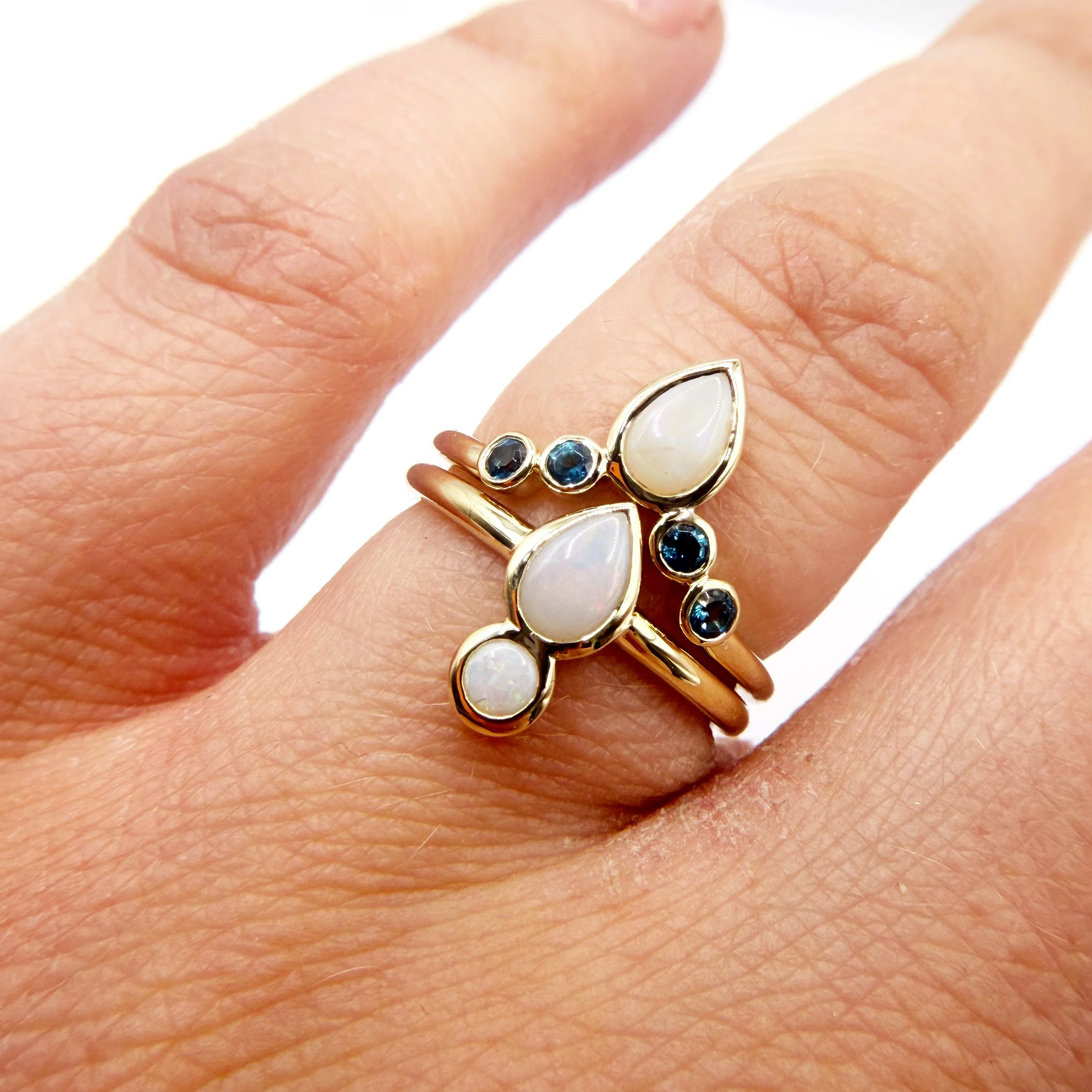
Tourmaline: a color for everyone
Tourmaline comes in a wider range of colors than almost any other gem. A few favorites:
Pink and red (rubellite): the most popular choice for October birthdays
Green (chrome tourmaline): a rich, emerald-like green
Neon blue and green (paraíba tourmaline): rare and electric
Watermelon tourmaline: pink in the center with a green rim, like a slice of watermelon
Brazil is the most common source of tourmaline, with others in Afghanistan, Pakistan, Kenya, Madagascar and Mozambique. Closer to home, Southern California and Maine have produced beautiful tourmaline for more than a century.
Good to know: Tourmaline is about 7 to 7.5 on the Mohs scale, so it holds up well in rings and everyday jewelry. It's a great pick if you want a colorful stone you can wear often.
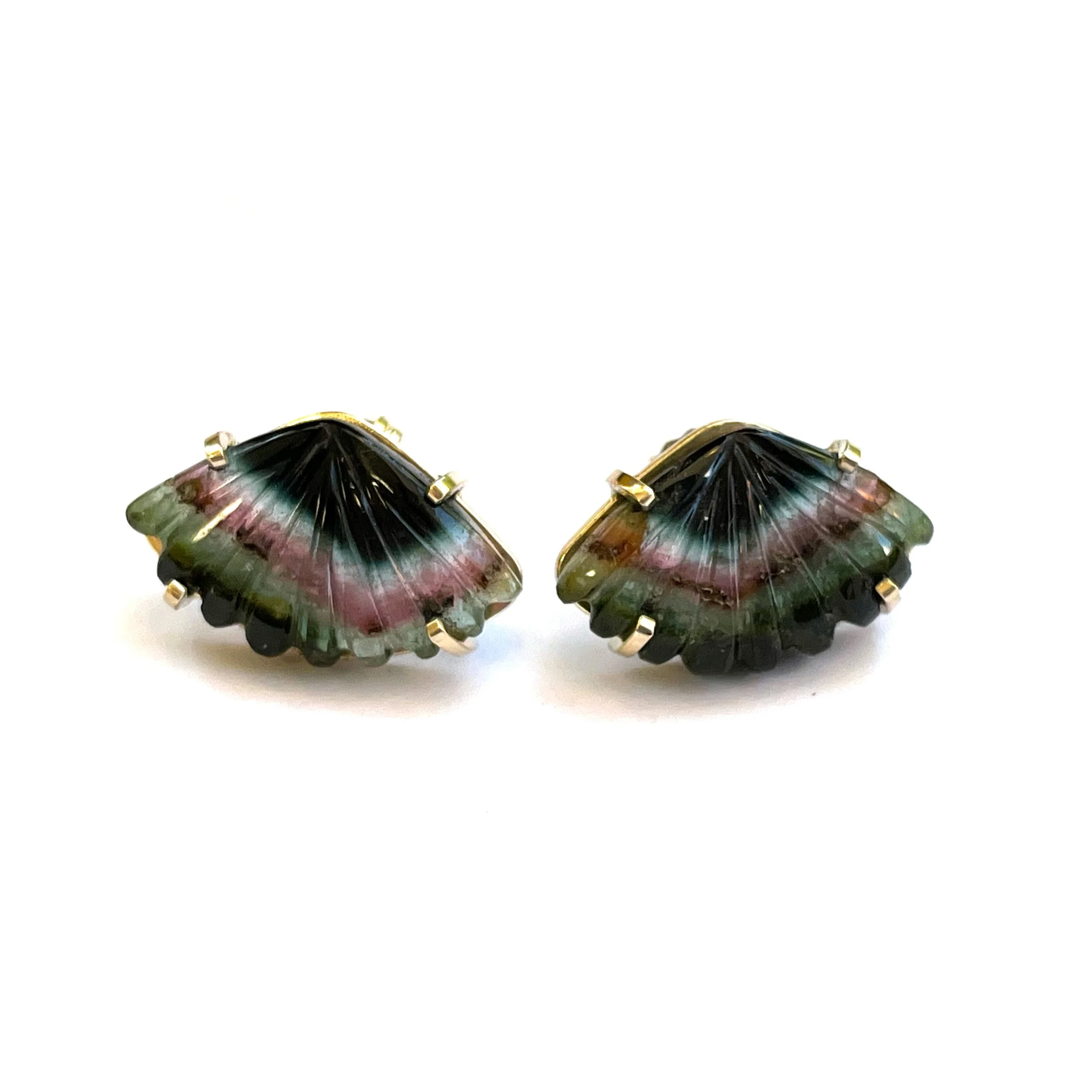
Tourmaline's history and lore
The name tourmaline comes from the Sinhalese word toramalli, often translated as "stone with mixed colors." That fits, since a single crystal often shows more than one color.
For centuries, tourmaline was mistaken for other gems:
In the 1500s, a Spanish conquistador found green tourmaline in Brazil and thought it was emerald.
A famous red gem in the Russian crown jewels, known as "Caesar's Ruby," turned out to be red tourmaline.
Scientists didn't recognize tourmaline as its own mineral until the 1800s.
One of tourmaline's biggest fans was Empress Dowager Cixi, the last empress of China, who treasured pink tourmaline. Much of it came from mines in Southern California, which shipped tons of pink tourmaline to China in the early 1900s.
What tourmaline means today: Ancient mystics believed tourmaline inspired artistic expression, since it has a color for every mood. Each color carries its own meaning, too:
Pink: love, compassion and gentleness
Green: courage, strength and stamina
Black: protection and self-confidence
Tourmaline is also the traditional gift for an eighth wedding anniversary.
How to care for opal and tourmaline
Both stones like the same simple routine: warm water, a little mild soap, and a soft brush. A few extra tips keep them looking their best.
For opal:
Avoid high heat and sudden temperature changes, which can cause cracks.
Don't soak doublets or triplets. Long exposure to water can weaken the glue that holds the layers together.
Store opal separately so harder gems can't scratch it.
Avoid every day wear for all opals.
For tourmaline:
Skip ultrasonic and steam cleaners.
Keep it away from high heat.
For both: Check the prongs or settings now and then. A loose stone is much easier to fix than a lost one. If you're not sure how to clean a piece, bring it in and we'll take care of it for you.
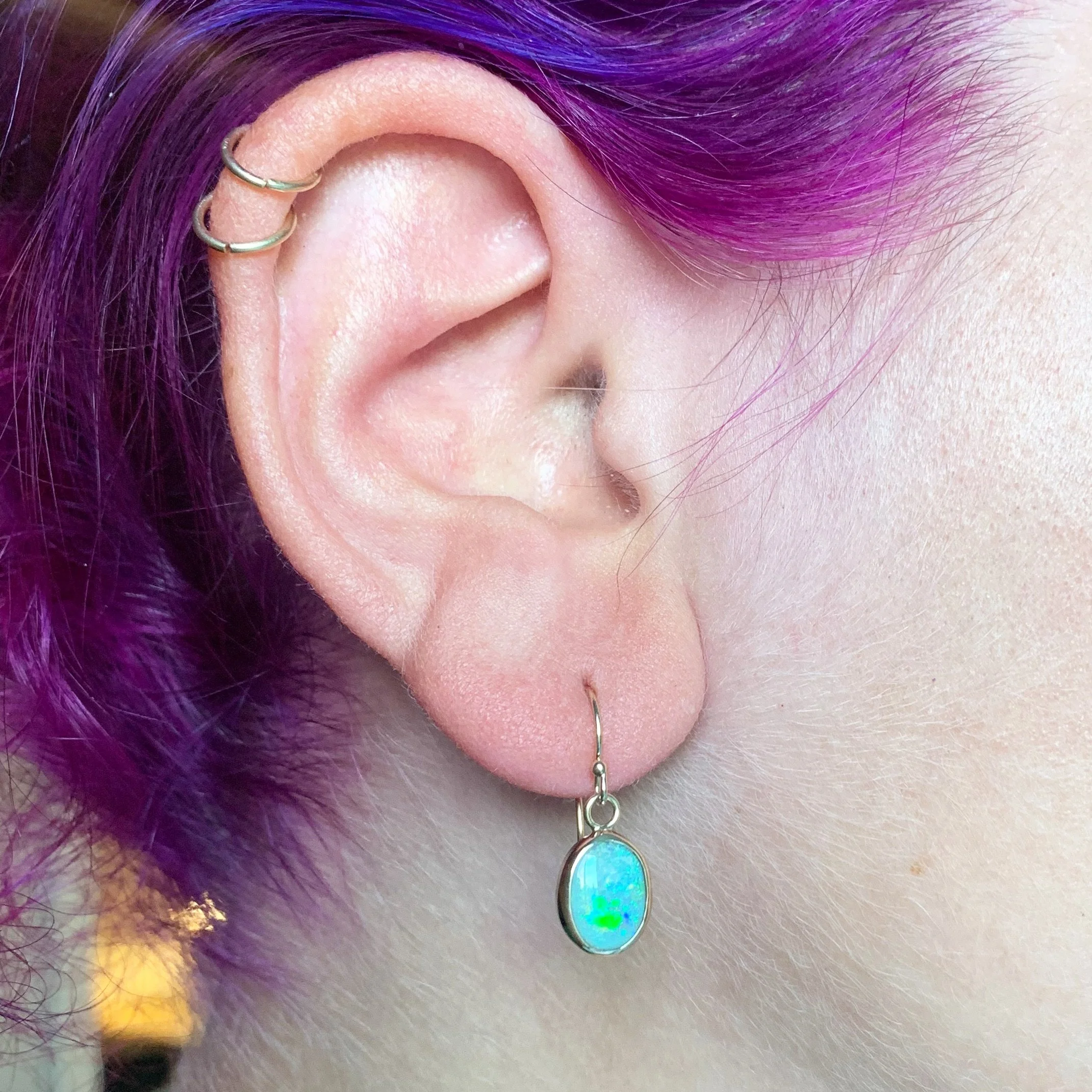
Make it personal
A birthstone is one of the most personal gifts you can give. A few ideas:
A pink tourmaline ring for everyday wear
Opal earrings or a pendant that show off its color
A family ring or necklace with a stone for each person's birthday
An old piece redesigned with a new birthstone set in
Want something made just for them? Book a custom consultation by Wednesday, October 28 to have your piece guaranteed ready for pickup by December 23.

Hey there, I’m Nina!
I’m a Seattle-based jeweler specializing in custom designs, heirloom restorations, and thoughtful repairs, all done by hand, start to finish, right here in my studio. Every piece I work on carries a story, and I take pride in preserving that story through craftsmanship, care, and attention to detail.
Whether you’re dreaming up a one-of-a-kind creation, bringing new life to a family treasure, or simply fixing a favorite everyday piece, my goal is to make the experience personal, collaborative, and meaningful.
If you have an idea, or even just a feeling, about what you want, let’s bring it to life together.
