
Replacing and Repairing Clasps on Bracelets and Necklaces
When it comes to jewelry, clasps are the unsung heroes. They’re the small but essential components that hold everything together—literally! Whether it's a favorite bracelet or a sentimental necklace, a malfunctioning clasp can be frustrating. Luckily, replacing or repairing a clasp is a relatively simple process that can breathe new life into your cherished pieces.
In this post, we’ll walk you through everything you need to know about replacing and repairing clasps, so your jewelry can stay secure and beautiful.
Common Types of Clasps
Before diving into repairs, it’s important to know the types of clasps commonly found on bracelets and necklaces. Each has its own unique mechanism, and understanding these can help you make the right repair or replacement choice.
Lobster Clasp: One of the most popular clasps, especially for necklaces and bracelets. It features a small lever that opens and closes, securing the jewelry.
Spring Ring Clasp: A round clasp with a spring-loaded mechanism. It is similar to a lobster clasp, but it is round with a spring, instead of oval with a lever.
Magnetic Clasp: As the name suggests, these use magnets to secure the piece and are ideal for people who have difficulty with small, intricate clasps.
Toggle Clasp: A bar-and-ring mechanism, often used for chunkier designs.
Box Clasp: Common on vintage jewelry, especially pearl necklaces or tennis bracelets, it has a tab that clicks into a box to secure the piece.
When to Replace or Repair a Clasp
While clasps are designed for frequent use, wear and tear are inevitable. Here are some signs that your clasp needs attention:
The clasp doesn't close securely or stays open.
The clasp stays closed and doesn’t open.
The spring mechanism is weak or broken.
The clasp is bent, corroded, or discolored.
The clasp pinches or becomes uncomfortable to use.
If you notice any of these issues, it’s time to either repair or replace the clasp.
How to Replace a Clasp
Replacing a clasp can seem overwhelming, but here’s how we do it:
Step-by-Step Process:
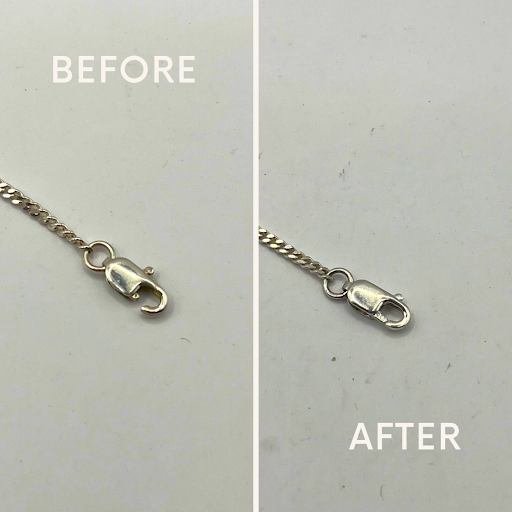
Remove the Old Clasp: We use special pliers to open the jump ring or cut the old clasp off if necessary. We’re careful not to damage the chain or bracelet in the process.
Attach the New Jump Ring: We attach a new jump ring, or use the old one if it’s still in good shape.
Attach the New Clasp: We slide the new clasp onto the open jump ring, then close the ring securely with the pliers, ensuring no gaps are left. For extra security, we always solder or weld the jump rings closed
Test the Clasp: Once the new clasp is attached, we make sure it opens and closes smoothly, fits around the other jump ring, and holds the jewelry securely.
How to Repair a Broken Clasp
If the clasp mechanism is intact but not working correctly, it may be possible to repair it instead of replacing it. However, most of the time, it's easier and more affordable to replace the clasp altogether.
Repairing a Lobster or Spring Ring Clasp:
Weak Spring Mechanism: If the clasp doesn't close securely, the steel spring or lever inside may be worn out. We can purchase a small replacement spring, but this is a delicate task. Most of the time, it's easier to replace the clasp altogether.
Bent Clasp: If your clasp is bent we use pliers to gently straighten it so it aligns with itself securely.
Tightening the Mechanism: In some cases, the clasp may be stretched open, or not closing tightly enough. We use special round pliers to gently press the closing arm of the lobster clasp, creating a tighter fit when it snaps shut.
Maintaining Your Clasps
To extend the life of your clasps and avoid future repairs, follow these tips:
Regular Cleaning: Clean your clasps regularly with a soft cloth and mild soap. Avoid harsh chemicals, which can damage both the clasp and the jewelry itself.
Check for Damage: Periodically inspect your jewelry for signs of wear. If you notice the clasp loosening, act quickly to avoid losing your jewelry.
Proper Storage: Store your jewelry in a soft, dry, cool place. Magnetic clasps can lose strength if stored near magnets or other metals.
When to Seek Professional Help
Whether you’re repairing a broken clasp or replacing one altogether, taking care of your jewelry's fastenings is an essential part of keeping it looking great and functioning properly. While many clasp repairs and replacements can be handled at home, some cases require professional expertise. If your jewelry is valuable, antique, or extremely delicate, it’s best to take it to a jeweler. We’ll have the tools and experience needed to handle more complex repairs, such as replacing a box clasp on vintage pieces.

Hey there, I’m Nina!
I’m a Seattle-based jeweler specializing in custom designs, heirloom restorations, and thoughtful repairs, all done by hand, start to finish, right here in my studio. Every piece I work on carries a story, and I take pride in preserving that story through craftsmanship, care, and attention to detail.
Whether you’re dreaming up a one-of-a-kind creation, bringing new life to a family treasure, or simply fixing a favorite everyday piece, my goal is to make the experience personal, collaborative, and meaningful.
If you have an idea, or even just a feeling, about what you want, let’s bring it to life together.
